Blending Beach Relaxation with a Tanzania Safari from Zanzibar
Why combine a beach stay with a wildlife safari?
For many travellers, the idea of a safari conjures images of vast plains, dust, and game drives at dawn. A beach holiday, on the other hand, suggests slow days by the ocean, with nothing more urgent than deciding where to have lunch. Those two experiences might seem to belong to separate trips. Yet a growing number of visitors to East Africa are discovering that they can have both in a single journey, especially when they base themselves on Zanzibar and take a fly-in safari to the mainland.
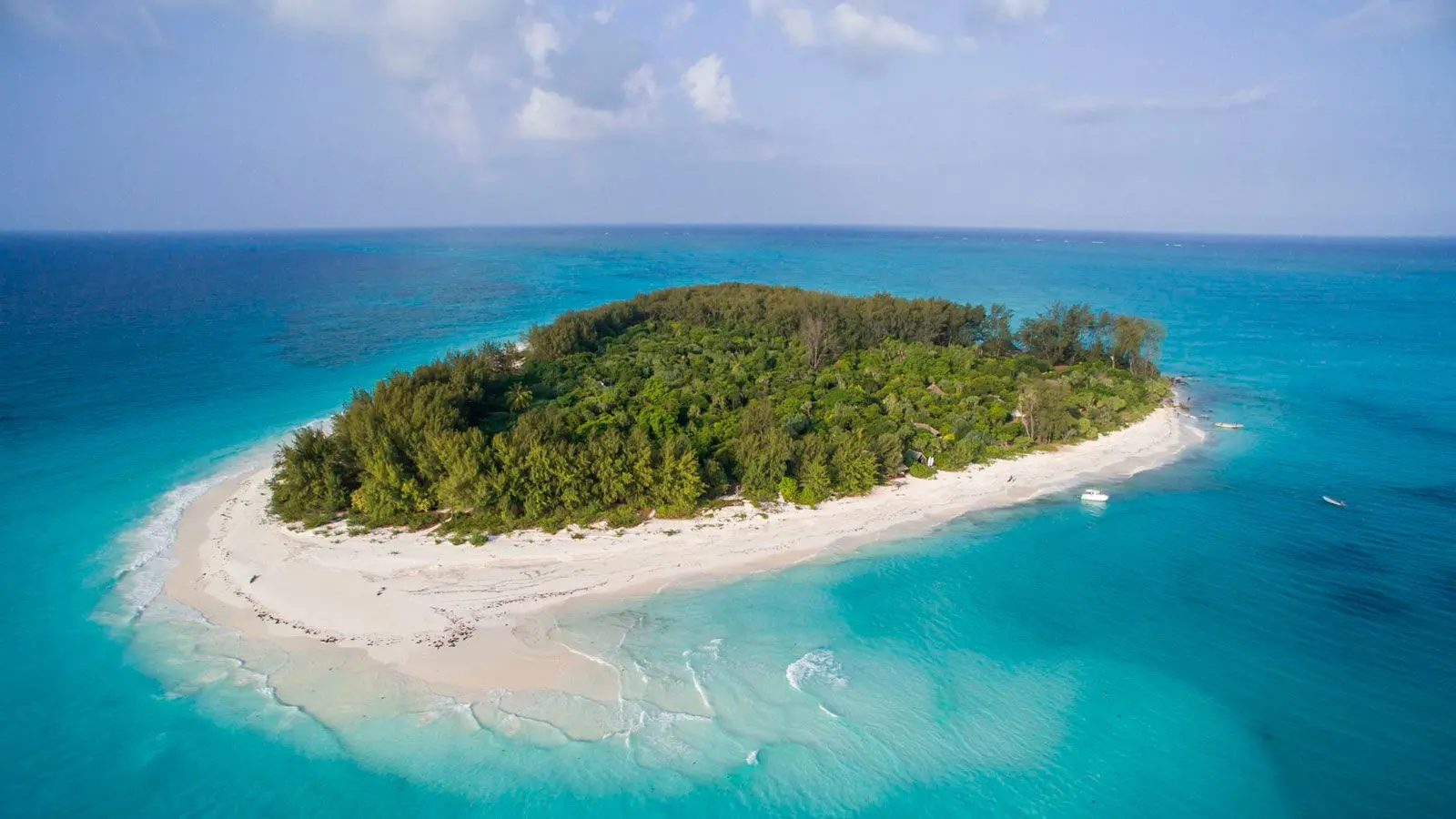
The logic is simple. Zanzibar offers some of the Indian Ocean's finest beaches, with turquoise water, coral reefs, and a relaxed Swahili culture. The mainland, a short flight away, holds some of the world's most famous wildlife reserves, including the Serengeti National Park and the Ngorongoro Crater. A well-planned trip can give you days on the sand and days on the savannah without the logistical headaches you might expect. The key is understanding how the two halves fit together, and what to look for when arranging a combined tour.
Understanding the geography of a combined trip
Zanzibar lies about 50 kilometres off the coast of Tanzania. A flight from Zanzibar's Abeid Amani Karume International Airport to an airstrip near the Serengeti takes roughly an hour and a half. That is short enough to make a safari feel like a day trip, though most travellers prefer to spend at least two or three nights on the mainland to give themselves proper game-viewing time. The flight itself is straightforward: a small turboprop plane that lands on unpaved strips inside the parks. You trade a bit of comfort for a huge saving in travel time.
When you hear the term "fly-in safari", this is what it refers to. Instead of driving for days from the coast, you fly directly into the wilderness. That means you can wake up on a beach in Zanzibar, have breakfast overlooking the ocean, and by mid-afternoon be watching lions dozing under an acacia tree. The contrast is part of the appeal. The transition is abrupt, but that is exactly what makes the experience memorable.
What a safari from Zanzibar typically includes
A safari from Zanzibar is usually arranged as a tailor-made safari. That means the itinerary is built around your preferences, not pulled from a brochure. Some people want to maximise time in the Serengeti, hoping to witness the wildebeest migration if the season is right. Others are more interested in the big cats or the birdlife. A good operator will discuss your priorities and suggest a realistic schedule.
Most packages include return flights from Zanzibar, a guide and vehicle for game drives, accommodation inside or near the park, and all meals. The guiding standard in Tanzania is high. Guides are typically trained and licensed, and they know where to find animals without disturbing them. You do not need to be a seasoned safari-goer to enjoy it. The lodges range from permanent tented camps to small eco-lodges, all designed to fit into the landscape.
One important detail: the Serengeti is large, about 15,000 square kilometres. A single day there gives you a taste, but three days allow you to explore different habitats and increase your chances of seeing a wide variety of species. If you have the time, a longer stay is worth it. The same applies to the Ngorongoro Conservation Area, which is often combined with the Serengeti in a single itinerary.
Making the most of your beach time
Zanzibar's coastline varies noticeably from north to south. The northern beaches, such as Nungwi and Kendwa, have wide stretches of white sand and calm waters at high tide. They are popular for swimming and sunset views. The east coast, around Paje and Jambiani, is more exposed to the trade winds, which makes it ideal for kitesurfing and longer walks along the shore. The south, near Kizimkazi, is known for dolphin tours and a more laid-back atmosphere.
If you are planning a combined holiday, think about which beach suits your energy level. After a few days of early-morning game drives, you might want a beach that lets you sleep in and do very little. Alternatively, you might prefer an active beach with water sports and village walks. Both exist on Zanzibar. The choice is personal, and there is no wrong answer.
Accommodation ranges from simple guesthouses to upscale resorts. The island also has a strong local food scene, with fresh seafood, spices, and tropical fruit featuring heavily. Stone Town, the historic capital, is worth a day or two if you are interested in the island's layered history of trade, colonialism, and Swahili culture. Many travellers find that the cultural side of Zanzibar adds depth to the beach part of their trip.
How to structure a Zanzibar beach and safari itinerary
The most common way to structure a trip is to start with the safari and end with the beach, or vice versa. There is no strong reason to prefer one order over the other. Some people like to get the active part done first and then relax. Others prefer to ease into their trip with beach time before heading into the bush. Both work.
A typical week-long itinerary might look like this: arrive in Zanzibar, spend one night there to recover from the flight, then fly to the Serengeti for three nights of game drives. After that, fly back to Zanzibar and spend the remaining three nights on the beach. That gives you a genuine wildlife safari and a proper beach holiday in one week. If you have ten days or more, you can add a night in Ngorongoro or extend your time in either location.

The phrase "Zanzibar beach and safari" is sometimes used to describe exactly this kind of combined tour. It is a shorthand for the idea that you can have both experiences in one trip without compromising on either. When you research options, you will find that many operators specialise in exactly this combination, because they know that travellers want the whole spectrum of what Tanzania offers.
Practical considerations for first-timers
Packing for a trip that includes both a beach and a safari requires some thought. The bush is dusty and cool in the early mornings, while the coast is hot and humid. Lightweight, neutral-coloured clothing works for both settings. A good pair of binoculars is more useful than a top-tier camera if you are just starting out. Sunscreen and insect repellent are essential for both halves of the trip.
Health precautions are straightforward. A yellow fever vaccination is required if you are travelling from an affected country, but not for direct entry from most places. Malaria prophylaxis is recommended for both Zanzibar and the mainland. It is wise to check current advice from your health provider before you travel.
Visas for Tanzania can be obtained online before departure or on arrival, though the online option saves time at the airport. The currency is the Tanzanian shilling, but US dollars are widely accepted for tours and accommodation. Credit cards work at larger hotels and lodges but less so in local restaurants and shops.
Choosing the right time of year
Timing matters for both the beach and the safari. The dry season, from June to October, is generally the best time for wildlife viewing in the Serengeti, because animals gather around water sources and the vegetation is thinner. This period also coincides with the wildebeest migration in the northern Serengeti, which is a major draw. The weather on Zanzibar during these months is warm and mostly dry, though the island can be windy on the east coast.
The wet season, from March to May and November to December, brings more rain and greener landscapes. Wildlife is still visible, but it is more dispersed. The advantage is that lodges and flights are less crowded, and the beaches are quieter. The green season on Zanzibar has its own beauty, with fewer tourists and lower prices. For many travellers, the trade-off is worth it.

The phrase "Zanzibar beach and safari" can be enjoyed year-round, but your experience will differ depending on the season. If your main goal is the migration, plan for July through October. If you want a relaxed beach holiday with decent game viewing, the shoulder months of June and November offer a good balance.
Final thoughts on planning your trip
A combined beach and safari holiday in Tanzania is one of those rare trips that delivers on two very different kinds of travel. You get the raw energy of the African bush and the restorative calm of a tropical island, all within a few days of each other. The logistics are manageable, especially with a tailor-made safari package that handles the flights, transfers, and guiding.
The key is to treat the planning as part of the experience. Think about what you want from each half of the trip, and be honest about your energy levels and interests. A well-designed itinerary will leave you feeling that you have seen two sides of Tanzania without having to hurry through either. Whether you are a first-time safari-goer or a seasoned traveller, the combination of a fly-in safari and a Zanzibar beach stay offers a rich and varied holiday that is hard to match anywhere else.
Ends · GETZANZIBARBEACHSAFARISPACE